
By Nisreen Galloway, Editorial Intern
Photo by Michelle Moore Photography
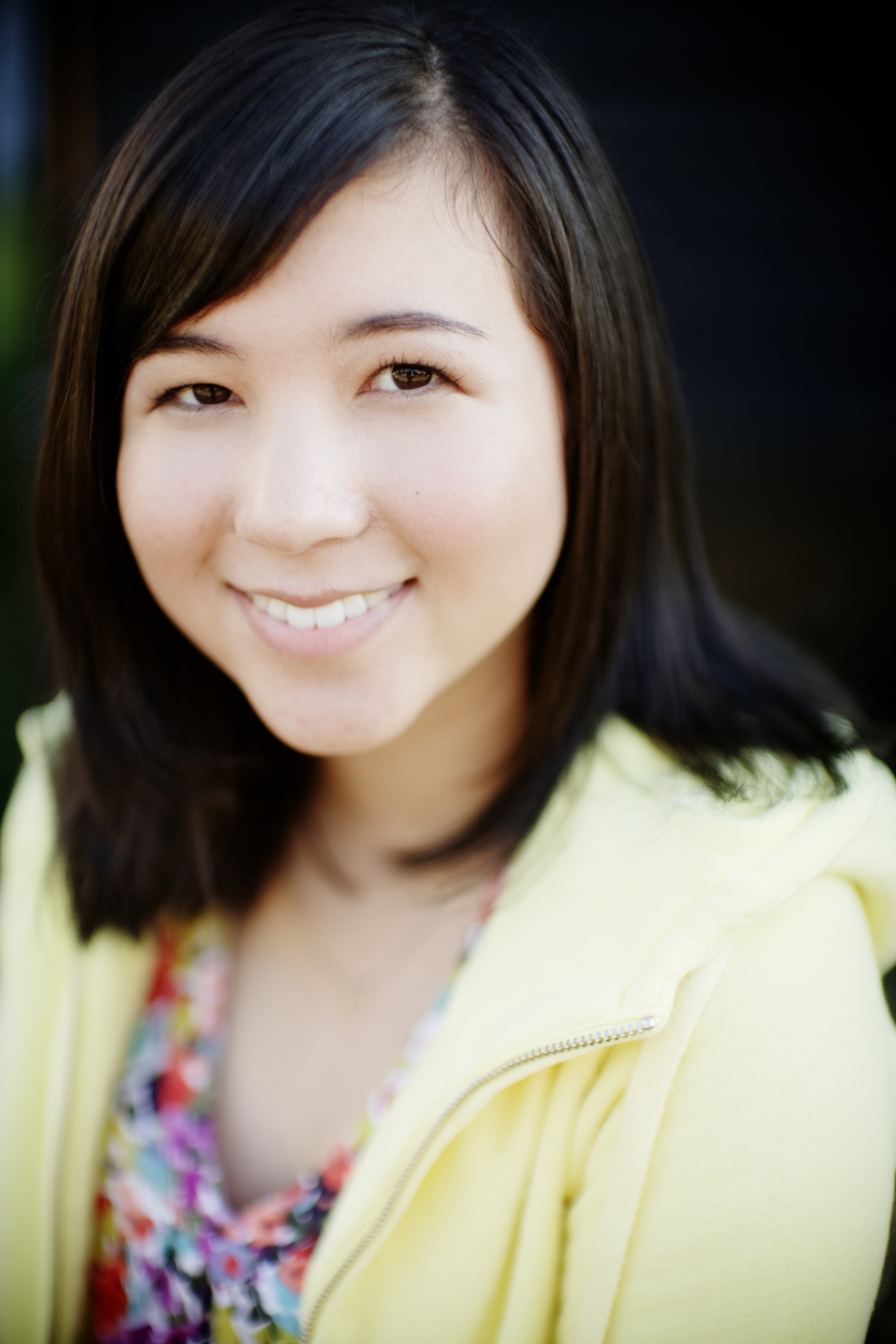 At 15 years old, Elissa Bernstein fell in love with baking. She appreciates good ingredients and decided to satisfy her sweet tooth by learning to bake an assortment of decadent desserts. She would come home from school and immediately preheat the oven before she even knew what she wanted to make. At 16 she decided to start her own food blog, 17andbaking.com. There, she posts pictures of her desserts, posts personal essays, and recipes. What started as a way for her to combine her love of writing with her passion for baking for herself eventually turned into a website with hundreds of readers. She has been recognized by worldwide bloggers and magazines and in January 2012 was recognized in Food and Wine magazine as one of several American Culinary Icons. Now 20 years old, we spoke to Elissa about the success she achieved in her teens, and the continued presence of 17andbaking.com—in her life, and in the world.
Teen Voices (TV): What is 17andbaking.com?
Elissa Bernstein (EB): 17andbaking.com is a food blog, and it’s more than that too. It’s like a living portfolio of my experiences. I started the blog when I was 16 and I just had this love for baking. Every time I baked, it added itself to whatever was going on with my family life or with my friends. I started taking photographs of what I baked and then 17andbaking was born. I wanted a place where I could keep track of everything that I baked and on top of that, sort of share stories and recipes and photos with readers. Now, 17andbaking.com reaches dozens of thousands of readers every month, maybe around 70,000 or 80,000.
TV: How often do you use it?
EB: When I first started, I posted about once a week. Now, my posts are more scattered because I’m in college, so I don’t get to bake as often. Whenever I bake, or whenever I feel inspired to write, I put up a new post.
TV: Would you consider yourself passionate about baking and when did you start?
I started teaching myself how to bake when I was 15 and by the time I was halfway through high school, it had sort of expanded into this obsession. I baked for fun and then after a while, word got out and I would bake for my friends’ birthdays. Then I started to get orders and I began sort of freelance baking for other people at special events, weddings, or parties.
 TV: How and what steps did you take to make your blog well known?
EB: I really don’t know how that happened. I actually got to a point where I had this sort of epiphany, and I realized that maybe nobody would read the blog, and I came to a peace with that. So I just kept going and then I guess one or two people stumbled upon the blog and then I didn’t try to market myself, it just happened.
TV: What’s your favorite recipe?
EB: I don’t know if I have a favorite recipe, but I really enjoy making ice cream. I got an ice cream maker and the creativity is sort of endless. You can take any flavor that you can think of and turn it into an ice cream. It’s not a guarantee that it will taste good but it’s pretty fun to try. I’ve made basil ice cream using fresh basil from our garden. I’ve made lavender ice cream. I’ve made taro ice cream. My mom is Taiwanese so flavors like taro are part of her childhood. It’s really hard for her to find those flavors in the U.S. but, what do you know—I can make taro ice cream!
TV: What has been your greatest challenge in terms of your blog and what’s been your most exhilarating success?
EB: It’s definitely been a challenge maintaining the blog in college. When I was in high school, I came home from school and even though I had a few hours’ worth of homework, basically the night was mine. I was free to bake in the afternoon and then write up a post over the weekend. Now that I’m in college, I also work two jobs and I have an internship that adds to 50 hours a week, so it’s hard to find time to bake. The most exhilarating thing…there have been a couple really incredible moments. I think one really great moment was when I got to be a speaker at BlogHerfood, the food conference in Atlanta in 2011 and talk about blogging in the next generation…Another really good moment was in January when I was featured in Food and Wine magazine, which was really a dream come true.
TV: Do you have any original recipes? Which ones are they and how were you inspired to create them?
EB: Although I have made original pies and things like that, I’m not a recipe developer—I’ll be the first to say that. I mostly bake for pleasure, which means a lot of the time I want a guaranteed good product. I tend to use published recipes or I adapt them, meaning I’ll change two or three things: I’ll swap blackberries for raspberries, or I’ll decrease the sugar, or I’ll have walnuts so I’ll throw them in, things like that.
 TV: You mentioned on your blog that you don’t want to go into the culinary arts but you have a passion for it. Why is there this gap between what you like to do and what you want to do for work?
EB: My main love is writing. Sometimes, I joke that the baking is really a vehicle for the writing because I get to it with the picture of the cupcake…I know that there are people who use 17andbaking as a sort of cookbook, but I find that a lot of readers say that they are sticking around [my blog] for the writing. You can sort of see my life documented on the blog: I started as a high school student and I talked about AP testing and how exhilarating it was to get my driving license. Then graduation, college, and two semesters ago, I studied abroad in Europe, so I blogged about my travels. You can really see me grow as a person on the blog too, alongside the food. And even though I still love to bake, I don’t think I have the chops to be a professional pastry chef or anything like that. My true love is the writing. I love the writing that’s inspired by the food and the relationships that the food can foster. From the beginning, I’ve said that I want to be a writer and that’s still what I’m doing today.
TV: What would you say is the best advice you’ve ever received both in terms of baking and in terms of your life?
EB: For baking it would probably be: don’t get discouraged. When I first started baking, I was baking simple things that don’t actually require a lot of prep work, such as loaf cakes and brownies. Later on, my dad’s birthday was coming up and at that point, I felt pretty confident as a baker, so I picked an ambitious recipe: I wanted to make him a triple chocolate mousse cake. It involved not only a chocolate cake, but also two different kinds of chocolate mousse that had to be piped, layered, and chilled. I thought I could do it but I couldn’t, and I ended up with this big mess. I remember I sat down on the kitchen floor and cried because I was so frustrated. It was pretty discouraging, but it brought me back down to earth and I realized that I still had a lot to learn. I ended up whipping up something else really quickly and he loved it. Then, a couple of years later, I went ahead and made that recipe again and it came out perfectly. There are still things today that are intimidating to me and things that I know I could make, I just need to practice. Nothing is out of reach, and that philosophy can be applied to anything.
TV: Who are your biggest role models and why?
EB: In terms of food, many bloggers inspire and challenge me and there are certain cookbooks that I always go back to: I love Dorie Greenspan and I love David Lebovitz for cakes and ice cream, respectively. Many writers that I adore aren’t in the food industry but are fiction writers or travel writers– which is my current thing. I want to be a travel writer. You can find inspiration anywhere—like something as simple as a color can make me feel like baking. If I see really red strawberries, my mind immediately starts churning: well, what can I make with strawberries? With writing it can be as simple as one sentence in a piece that makes you think, “Oh, that’s creative! I never would’ve thought of a metaphor like that,” and it gets the juices flowing.
TV: Many Teen Voices readers dream of being successful at what they’re passionate about. As you’ve been successful in your food blog, what are some encouraging words you have for those teens who are trying to follow their own dreams?
EB: It sounds crazy, but you truly do have your age going for you. You don’t think so—you think, “Oh, I’m young. I’m at such a disadvantage. I’m inexperienced, I don’t have connections; I’m in high school; I live at home.” But believe it or not, that’s going for you. Use that for as long as you can, because when you’re young and you’re motivated, people have a lot of respect for it and will take notice. I think a young perspective can be really fresh and if you are a younger person who really has something to say and something to teach and show, people will be impressed and interested in what you have to say. No matter what you’re passionate about, if you pursue it and put yourself out there, you can always make it work!
To read Elissa’s blog, visit http://17andbaking.com/




 teenvoicesmagazine.wordpress.com